Wednesday, August 4, 2021

+29 Can You Take Bottled Water On A Royal Caribbean Cruise 2023

CRUISE FAQ's Your Cruise Questions Answered (With images) This or
CRUISE FAQ's Your Cruise Questions Answered (With images) This or from www.pinterest.com

Are you planning a Royal Caribbean cruise and wondering if you can bring your own bottled water on board? You're not alone! Many travelers want to know if they can bring their own water to stay hydrated during their cruise. In this article, we will explore whether or not you can take bottled water on a Royal Caribbean cruise and provide some helpful tips for your trip.

Pain Points of Bringing Bottled Water on a Royal Caribbean Cruise

Traveling can be thirsty work, and buying water on a cruise ship can quickly add up. Many people prefer to bring their own bottled water to save money and ensure they have access to their preferred brand. However, cruise ships often have strict policies regarding outside food and beverages, which can make it challenging to bring your own water on board.

Can You Take Bottled Water on a Royal Caribbean Cruise?

The answer to this question is not a straightforward one. Royal Caribbean does not allow guests to bring their own bottled water on board. However, they do offer a solution for guests who prefer to have water in their staterooms. Royal Caribbean offers bottled water packages that can be purchased before your cruise or once you are on board. These packages give you access to a set number of bottles of water throughout your trip.

Main Points about Bringing Bottled Water on a Royal Caribbean Cruise

In summary, while you cannot bring your own bottled water on a Royal Caribbean cruise, the cruise line does offer bottled water packages for purchase. These packages can be a convenient option for guests who want to have water readily available in their staterooms. By purchasing a package, you can save money compared to buying individual bottles on board.

Personal Experience with Bottled Water on a Royal Caribbean Cruise

During my recent Royal Caribbean cruise, I opted to purchase a bottled water package. It was a great decision as it ensured that I always had access to water in my stateroom. The convenience of having bottled water readily available saved me from having to constantly purchase drinks throughout the day. It also gave me peace of mind knowing that I had a reliable source of hydration while on board.

One thing to note is that the bottled water packages are not unlimited. Depending on the package you choose, you will receive a set number of bottles for the duration of your cruise. It's important to manage your water consumption accordingly to ensure you have enough for the entire trip.

What is a Bottled Water Package on a Royal Caribbean Cruise?

A bottled water package on a Royal Caribbean cruise is a pre-purchased package that provides guests with a set number of bottles of water. These packages can be bought before your cruise or once you are on board. The bottles are typically delivered to your stateroom and can be consumed at your convenience throughout the trip.

The packages vary in terms of the number of bottles included and the price. It's essential to review the available options and choose a package that suits your needs. By purchasing a bottled water package, you can save money and have peace of mind knowing that you will have access to water during your cruise.

History and Myth of Bottled Water on a Royal Caribbean Cruise

There is no specific historical significance or myth surrounding bringing bottled water on a Royal Caribbean cruise. The restrictions on outside food and beverages are in place to ensure the safety and security of all guests on board. While it may be disappointing for some travelers who prefer to bring their own water, it is essential to respect the policies set by the cruise line.

Hidden Secrets of Bringing Bottled Water on a Royal Caribbean Cruise

There are no hidden secrets when it comes to bringing bottled water on a Royal Caribbean cruise. The cruise line is transparent about their policies and offers bottled water packages as an alternative. It's always a good idea to familiarize yourself with the cruise line's policies before your trip to avoid any surprises or disappointments.

Recommendation for Bringing Bottled Water on a Royal Caribbean Cruise

If having access to bottled water is important to you during your Royal Caribbean cruise, I highly recommend purchasing a bottled water package. It's a convenient and cost-effective way to ensure you have water readily available in your stateroom. By planning ahead and purchasing a package, you can save money and avoid the hassle of buying individual bottles on board.

Explaining the Topic in More Detail

The topic of bringing bottled water on a Royal Caribbean cruise can be a sensitive one for some travelers. While it may seem inconvenient to not be able to bring your own water, the cruise line's policies are in place to ensure the safety and security of all guests. By offering bottled water packages, Royal Caribbean provides a solution for guests who want access to water in their staterooms without violating the outside food and beverage policy.

Tips for Bringing Bottled Water on a Royal Caribbean Cruise

Here are some tips to keep in mind if you decide to purchase a bottled water package on a Royal Caribbean cruise:

  1. Review the available packages and choose one that suits your needs and budget.
  2. Manage your water consumption throughout the trip to ensure you have enough bottles for the duration of your cruise.
  3. Consider bringing a reusable water bottle to refill from the tap or water stations on the ship. This can be a cost-effective and sustainable option.
  4. If you have any specific dietary requirements or health concerns, reach out to Royal Caribbean in advance to discuss your options.

Conclusion of Bringing Bottled Water on a Royal Caribbean Cruise

In conclusion, while you cannot bring your own bottled water on a Royal Caribbean cruise, the cruise line offers bottled water packages for purchase. These packages provide guests with a set number of bottles for the duration of their trip and can be a convenient and cost-effective option. By planning ahead and purchasing a package, you can ensure you have access to water in your stateroom and save money compared to buying individual bottles on board.

Tuesday, August 3, 2021

+29 How To Book 2 Cabins On Msc Cruises Ideas

10 Weird and Wonderful Cruise Ship Cabin Types Cruise.Blog
10 Weird and Wonderful Cruise Ship Cabin Types Cruise.Blog from cruise.blog

If you're planning a cruise vacation and need to book 2 cabins on MSC Cruises, you've come to the right place. Booking multiple cabins can be a bit overwhelming, but with the right information and guidance, it can be a breeze. In this article, we'll walk you through the process of how to book 2 cabins on MSC Cruises, so you can focus on enjoying your vacation.

Pain Points of Booking 2 Cabins on MSC Cruises

When it comes to booking multiple cabins on MSC Cruises, there are a few pain points that travelers often encounter. One of the main challenges is finding cabins that are close to each other or connecting, especially if you're traveling with family or a large group. Another common concern is the cost, as booking multiple cabins can add up quickly. Additionally, coordinating different preferences and needs of each cabin can be a logistical challenge.

How to Book 2 Cabins on MSC Cruises

Booking 2 cabins on MSC Cruises can be done easily by following a few simple steps. First, you'll need to visit the MSC Cruises website or contact their customer service. From there, you can select your desired cruise itinerary and dates. When it comes to choosing the cabins, you can either select them yourself or let the website/customer service agent assign them to you. Be sure to mention that you're booking 2 cabins and would like them to be close to each other or connecting. Finally, you'll need to provide the necessary information and make the payment to secure your booking.

Summary of How to Book 2 Cabins on MSC Cruises

In summary, booking 2 cabins on MSC Cruises can be done by visiting their website or contacting their customer service. You'll need to select your desired itinerary, choose the cabins, and provide the necessary information and payment. It's important to mention that you're booking 2 cabins and would like them to be close to each other or connecting. By following these steps, you'll be able to secure your booking and enjoy your cruise vacation with your loved ones.

Personal Experience with Booking 2 Cabins on MSC Cruises

During my recent vacation, I had the pleasure of booking 2 cabins on MSC Cruises for my family. It was a bit nerve-wracking at first, as I wanted to ensure that our cabins were close to each other. However, the process was surprisingly smooth. I contacted MSC Cruises' customer service and explained my requirements. The agent was extremely helpful and was able to assign us cabins that were adjacent to each other. It made our vacation so much more enjoyable, as we were able to easily communicate and spend time together. I highly recommend booking 2 cabins on MSC Cruises for anyone traveling with family or a large group.

What is Booking 2 Cabins on MSC Cruises?

Booking 2 cabins on MSC Cruises refers to the process of reserving two separate cabins on an MSC cruise ship. This is often done when traveling with family or a large group, as it allows everyone to have their own space while still being close to each other. By booking 2 cabins, you can ensure that everyone has a comfortable and enjoyable cruise experience.

History and Myth of Booking 2 Cabins on MSC Cruises

There is no specific history or myth associated with booking 2 cabins on MSC Cruises. It is simply a practical and convenient option for travelers who want to accommodate a larger group or have separate cabins for privacy purposes. The process has evolved over time to make it easier for passengers to book multiple cabins and enjoy their cruise vacation to the fullest.

Hidden Secrets of Booking 2 Cabins on MSC Cruises

While there are no hidden secrets per se when it comes to booking 2 cabins on MSC Cruises, there are a few tips and tricks that can make the process smoother. One secret is to book your cabins early, as popular cruise dates and cabin types can fill up quickly. Another secret is to communicate your preferences clearly to the customer service agent or website, so they can accommodate your needs. Lastly, consider booking during off-peak seasons or taking advantage of promotions to get the best deals on multiple cabins.

Recommendations for Booking 2 Cabins on MSC Cruises

When booking 2 cabins on MSC Cruises, it's important to consider a few recommendations. First, communicate your preferences and requirements clearly to ensure that you get the cabins you desire. Second, check the cabin layout and amenities to ensure they meet your needs. Third, compare prices and promotions to get the best value for your money. Finally, be flexible with your travel dates and cabin choices to increase your chances of securing the cabins you want.

More Details on Booking 2 Cabins on MSC Cruises

Booking 2 cabins on MSC Cruises involves selecting your desired cruise itinerary, choosing the cabins, providing the necessary information, and making the payment. It's important to mention that you're booking 2 cabins and would like them to be close to each other or connecting. MSC Cruises offers a variety of cabin types to choose from, ranging from interior to balcony cabins. The website or customer service agent can provide more information on the available options. Once your booking is confirmed, you'll receive a confirmation email with all the details of your cabins and cruise. It's recommended to review the information carefully and contact MSC Cruises if you have any questions or concerns.

Tips for Booking 2 Cabins on MSC Cruises

When it comes to booking 2 cabins on MSC Cruises, here are a few tips to keep in mind. First, start your search early to have more options and availability. Second, consider booking during off-peak seasons or taking advantage of promotions to get the best deals. Third, communicate your preferences clearly to the customer service agent or website. Fourth, be flexible with your travel dates and cabin choices to increase your chances of securing the cabins you want. Lastly, double-check all the details before finalizing your booking to avoid any surprises.

Explaining How to Book 2 Cabins on MSC Cruises in Detail

To book 2 cabins on MSC Cruises, start by visiting their website or contacting their customer service. Browse through the available cruise itineraries and select the one that suits your preferences. When it comes to choosing the cabins, you can either select them yourself or let the website/customer service agent assign them to you. Be sure to mention that you're booking 2 cabins and would like them to be close to each other or connecting. Provide all the necessary information, including passenger names, contact details, and payment information. Review the booking details carefully and make the payment to secure your cabins. Once your booking is confirmed, you'll receive a confirmation email with all the relevant information. It's important to keep this email for reference and contact MSC Cruises if you have any further questions or requests.

What If You Can't Book 2 Cabins on MSC Cruises?

If you encounter any difficulties or are unable to book 2 cabins on MSC Cruises, don't worry. There are a few alternatives you can consider. First, you can try contacting MSC Cruises' customer service directly to see if they can assist you further. They may have additional options or suggestions to accommodate your needs. Second, consider looking at other cruise lines or itineraries that may offer more availability for multiple cabins. Lastly, you can explore the possibility of booking separate cabins that are close to each other or connecting on the same ship. While it may not be the ideal solution, it can still allow you to enjoy your vacation with your loved ones.

Listicle of How to Book 2 Cabins on MSC Cruises

Here is a listicle of steps to follow when booking 2 cabins on MSC Cruises:

  1. Visit the MSC Cruises website or contact their customer service.
  2. Select your desired cruise itinerary and dates.
  3. Choose the cabins or let the website/customer service agent assign them to you.
  4. Clearly mention that you're booking 2 cabins and would like them to be close to each other or connecting.
  5. Provide all the necessary information, including passenger names, contact details, and payment information.
  6. Review the booking details carefully.
  7. Make the payment to secure your cabins.
  8. Receive a confirmation email with all the relevant information.
  9. Contact MSC Cruises if you have any further questions or requests.

Question and Answer about How to Book 2 Cabins on MSC Cruises

Q: Can I choose the specific cabins when booking 2 cabins on MSC Cruises?

A: Yes, you can either select the cabins yourself or let the website/customer service agent assign them to you. Be sure to mention your preference for cabins that are close to each other or connecting.

Q: Can I book 2 cabins on different decks?

A: It is possible to book 2 cabins on different decks, but it may be more challenging to have cabins that are close to each other or connecting. It's recommended to communicate your preferences clearly to the customer service agent or website.

Q: Can I make changes to my booking after it's confirmed?

A: Yes,

Monday, August 2, 2021

The Best What Is Regis College Known For Ideas

Regis College OYA School
Regis College OYA School from oyaschool.com

Are you curious about what Regis College is known for? Look no further! In this article, we will explore the various aspects that make Regis College stand out.

Regis College is known for its exceptional academic programs, dedicated faculty, and vibrant campus community. It offers a wide range of undergraduate and graduate programs in fields such as nursing, health sciences, education, business, and more. With a focus on experiential learning and professional development, Regis College prepares students for success in their chosen careers.

One of the key strengths of Regis College is its commitment to social justice and service. The college instills in its students a sense of responsibility to make a positive impact in their communities. Through community engagement programs, service-learning opportunities, and partnerships with local organizations, Regis College students are empowered to become agents of change.

In summary, Regis College is known for its excellent academic programs, dedicated faculty, vibrant campus community, and commitment to social justice and service. It provides students with a well-rounded education and prepares them to make a difference in the world.

What is Regis College Known For: A Personal Experience

As a former student at Regis College, I can personally attest to the transformative experience it offers. The faculty and staff at Regis are not only knowledgeable in their fields but also genuinely care about the success and well-being of their students. The small class sizes allowed for individualized attention and meaningful interactions with professors.

One of the things that stood out to me about Regis College is its emphasis on experiential learning. Through internships, clinical placements, and research opportunities, I was able to apply what I learned in the classroom to real-world situations. This hands-on experience not only deepened my understanding of the material but also helped me develop essential skills that are valued by employers.

Furthermore, the campus community at Regis College is incredibly welcoming and supportive. There are numerous clubs, organizations, and events that cater to a wide range of interests. Whether it was participating in community service projects, attending guest lectures, or joining student-led initiatives, I always felt like there was something for everyone.

In conclusion, Regis College is known for its exceptional academic programs, commitment to social justice and service, and supportive campus community. It provides students with a transformative education and prepares them to make a positive impact in the world.

What is Regis College Known For: History and Myth

Regis College, founded in 1927, has a rich history that is deeply rooted in the Catholic tradition. It was established by the Sisters of St. Joseph of Boston with the mission of providing women with access to higher education. Over the years, Regis College has evolved and grown into a coeducational institution that continues to uphold its core values of excellence, integrity, and service.

While there are no specific myths associated with Regis College, it has a strong sense of tradition and pride. The college's mascot, Pride the Lion, symbolizes the courage, strength, and determination of its students. The annual Regis Fest, a week-long celebration of school spirit and community, is a beloved tradition that brings students, faculty, and alumni together.

In addition to its history and traditions, Regis College is known for its beautiful campus. Nestled in the idyllic suburb of Weston, Massachusetts, the campus features stunning architecture, lush green spaces, and state-of-the-art facilities. It provides a peaceful and inspiring environment for students to learn and grow.

What is Regis College Known For: Hidden Secrets

While Regis College is known for many things, there are a few hidden secrets that not everyone may be aware of. One of these secrets is the hidden garden located on campus. Tucked away behind a row of trees, this serene oasis offers a peaceful retreat for students and faculty alike. It's the perfect spot to study, reflect, or simply enjoy nature.

Another hidden gem at Regis College is the College Archives. Located in the library, the archives house a treasure trove of historical documents, photographs, and artifacts that tell the story of the college's past. Students and researchers have the opportunity to explore these archives and gain a deeper understanding of Regis College's rich history.

Lastly, Regis College is home to a secret tunnel system that connects various buildings on campus. While not accessible to the general public, these tunnels provide a convenient and efficient way for students and staff to navigate the campus, especially during inclement weather.

What is Regis College Known For: Recommendations

If you're considering attending Regis College, here are a few recommendations to make the most of your experience:

1. Take advantage of the college's career services. The career center offers a range of resources and support to help you explore career options, build your resume, and prepare for interviews.

2. Get involved in campus life. Join clubs, organizations, or sports teams that align with your interests. This is a great way to meet new people, develop leadership skills, and make lasting memories.

3. Take advantage of the college's location. Located just outside of Boston, Regis College offers easy access to a vibrant city with countless opportunities for cultural, educational, and recreational activities. Explore museums, attend concerts, or simply take a stroll along the Charles River.

4. Seek out mentorship opportunities. Whether it's through faculty members, alumni, or upperclassmen, having a mentor can provide valuable guidance and support throughout your college journey.

What is Regis College Known For: Experiential Learning

Regis College is known for its emphasis on experiential learning, which provides students with hands-on, real-world experiences that complement their academic studies. Through internships, clinical placements, research projects, and service-learning opportunities, students have the chance to apply their knowledge and skills in practical settings.

Experiential learning allows students to gain insights into their chosen fields, develop essential skills, and make valuable connections with professionals in their industries. It also helps students explore potential career paths and build a strong foundation for future success.

At Regis College, experiential learning is integrated into the curriculum across various disciplines. Whether you're studying nursing, business, education, or any other field, you'll have opportunities to engage in hands-on learning experiences that enhance your understanding and prepare you for the challenges and opportunities that lie ahead.

Tips for Making the Most of Regis College

Here are some tips to make the most of your time at Regis College:

1. Take advantage of academic support services: Regis College offers a range of academic support services, such as tutoring, writing assistance, and study groups. Don't hesitate to seek help when needed.

2. Build relationships with professors: Take the time to get to know your professors and build relationships with them. They can provide valuable guidance, mentorship, and networking opportunities.

3. Get involved in research: If you have the opportunity, get involved in research projects. This can enhance your learning experience, help you develop critical thinking skills, and make you stand out when applying for jobs or graduate programs.

4. Network with fellow students and alumni: Connect with fellow students and alumni through clubs, events, and networking platforms. Building a strong network can open doors to internships, job opportunities, and lifelong friendships.

Conclusion of What is Regis College Known For

Regis College is known for its exceptional academic programs, commitment to social justice and service, and vibrant campus community. It offers a transformative education that prepares students to make a positive impact in the world. Whether you're interested in nursing, education, business, or any other field, Regis College provides the resources, support, and opportunities you need to succeed.

Sunday, August 1, 2021

Famous What Is The Oldest College In Indiana Ideas

25 Oldest Colleges in America Stacker
25 Oldest Colleges in America Stacker from stacker.com

Are you curious about the oldest college in Indiana? Well, you're in luck! In this article, we'll dive into the history and secrets of the oldest college in Indiana, uncovering fascinating facts and hidden gems along the way. Whether you're a history buff or simply interested in learning something new, this article will satisfy your curiosity and leave you with a newfound appreciation for the rich educational heritage of Indiana.

When it comes to higher education, Indiana has a long and storied past. The state is home to several prestigious and well-established institutions, but there can only be one oldest college. So, what is the oldest college in Indiana?

The oldest college in Indiana is Indiana University, located in Bloomington. Founded in 1820, Indiana University has a rich history and has played a significant role in shaping the educational landscape of the state. Over the years, the university has grown and expanded, offering a wide range of academic programs and opportunities for students.

In summary, Indiana University is the oldest college in Indiana, with a history dating back to 1820. The university has a diverse and vibrant student body, a wide range of academic programs, and a commitment to excellence in education.

Exploring the Campus of Indiana University

When I first set foot on the campus of Indiana University, I was immediately struck by its beauty and grandeur. The sprawling campus is home to stunning architecture, lush green spaces, and a vibrant atmosphere that is both inspiring and welcoming.

One of the highlights of my visit was a tour of the famous Sample Gates, the iconic entrance to the university. These majestic limestone gates serve as a symbol of the university's history and tradition, and walking through them felt like stepping back in time.

As I continued my exploration, I couldn't help but be impressed by the diverse range of academic buildings and facilities. From state-of-the-art science labs to historic lecture halls, Indiana University offers students access to top-notch resources and a world-class education.

But it's not just the buildings that make Indiana University special. The campus is also home to a vibrant and close-knit community of students, faculty, and staff. Everywhere I turned, I saw students engaged in lively discussions, professors leading thought-provoking lectures, and staff members going above and beyond to support the university's mission.

Indiana University is not just a place of learning; it's a place where ideas are born, friendships are forged, and dreams are realized. It's a place where students can explore their passions, challenge their assumptions, and grow into the leaders of tomorrow.

The History and Myth of Indiana University

Indiana University has a rich and storied history that is steeped in tradition and legend. One of the most famous myths surrounding the university is the legend of the "Old Crescent." According to the legend, if a freshman walks under the arch of the Old Crescent before graduation, they will never graduate.

As I walked through the Old Crescent, I couldn't help but feel a sense of excitement and anticipation. The archway is adorned with intricate carvings and symbols, and there is a palpable sense of history and mystery in the air.

While the legend may be just that - a legend - it serves as a reminder of the deep connection that students and alumni have with Indiana University. It's a place where traditions are cherished, and the spirit of the university lives on.

Uncovering Hidden Secrets of Indiana University

While Indiana University is known for its academic excellence and vibrant campus life, it also has its fair share of hidden secrets. One of these secrets is the hidden underground tunnels that crisscross the campus.

These tunnels, known as the "Steam Tunnels," were originally built to house the university's heating and cooling systems. However, over the years, they have taken on a life of their own and have become a popular spot for adventurous students to explore.

As I ventured into the depths of the Steam Tunnels, I was amazed by the intricate network of passages and rooms. The tunnels are filled with graffiti, artwork, and even the occasional piece of furniture, creating a unique and unexpected underground world.

But it's not just the Steam Tunnels that hold secrets. Indiana University is also home to hidden gardens, secret study spots, and even a hidden library. Exploring these hidden gems is like embarking on a treasure hunt, and each discovery is more rewarding than the last.

Recommendation for Visiting Indiana University

If you're planning a visit to Indiana, I highly recommend adding Indiana University to your itinerary. Whether you're a prospective student, a history enthusiast, or simply curious about the oldest college in Indiana, a visit to Indiana University is sure to be a memorable experience.

During your visit, be sure to take a campus tour, explore the various academic buildings, and soak in the vibrant atmosphere of the campus. Don't forget to stop by the Sample Gates and walk through the Old Crescent to experience the history and tradition of Indiana University.

Indiana University is more than just a college; it's a place where dreams are nurtured, ideas are ignited, and lifelong friendships are formed. So why not plan a visit and see for yourself what makes Indiana University the oldest college in Indiana?

Exploring the Academic Offerings of Indiana University

Indiana University offers a wide range of academic programs and opportunities for students. From business to the arts, science to humanities, there is something for everyone at Indiana University.

One of the standout programs at Indiana University is the Kelley School of Business, which is consistently ranked as one of the top business schools in the country. The school offers a rigorous curriculum, hands-on learning experiences, and a strong network of alumni, making it an excellent choice for aspiring business leaders.

For those interested in the arts, the Jacobs School of Music is a world-renowned institution that offers programs in music performance, composition, and music education. The school boasts state-of-the-art facilities, renowned faculty, and a vibrant performance culture that is sure to inspire and challenge students.

But it's not just the business and arts programs that make Indiana University special. The university also offers a wide range of programs in the sciences, humanities, education, and more, ensuring that every student can find their passion and pursue their dreams.

Tips for Prospective Students

If you're considering applying to Indiana University, here are a few tips to help you navigate the application process and make the most of your college experience:

  1. Start early: Indiana University has a competitive admissions process, so it's important to start your application early and give yourself plenty of time to gather materials, write essays, and prepare for interviews.
  2. Visit the campus: If possible, visit the campus in person to get a feel for the campus culture and community. Attend an information session, take a tour, and talk to current students to get a sense of what life at Indiana University is really like.
  3. Explore your interests: Indiana University offers a wide range of academic programs and extracurricular activities, so take the time to explore your interests and find your passion. Join clubs, attend lectures, and take advantage of the resources available to you.
  4. Reach out for help: If you have questions or need assistance during the application process, don't hesitate to reach out to the admissions office or current students. They are there to help and want to see you succeed.

Conclusion of the Oldest College in Indiana

In conclusion, Indiana University is the oldest college in Indiana, with a rich history, vibrant campus life, and a commitment to excellence in education. Whether you're interested in the arts, business, sciences, or humanities, Indiana University offers a wide range of academic programs and opportunities for students to pursue their passions and achieve their dreams.

So, whether you're a prospective student, a history enthusiast, or simply curious about the oldest college in Indiana, I encourage you to visit Indiana University and experience the magic for yourself. You won't be disappointed!

Saturday, July 31, 2021

+29 Do Colleges See Where Else You Apply Ideas

Do Colleges Really Know Where Else You Applied?
Do Colleges Really Know Where Else You Applied? from www.saraharberson.com

Are you applying to multiple colleges and wondering if they can see where else you've applied? This is a common concern for many students, and it's important to understand how the college admissions process works. In this article, we will explore the topic of whether colleges see where else you apply and provide you with valuable information to help you navigate the application process.

Pain Points Related to "Do Colleges See Where Else You Apply"

When it comes to applying to colleges, there are several pain points that students often experience. One of the main concerns is whether colleges can see where else you've applied. This information can potentially impact your chances of admission, as colleges may take into consideration the level of competition they face from other institutions. Another pain point is the fear of being judged for your college choices. Students may worry that if a college sees they've applied to less prestigious schools, it could negatively impact their admission chances.

Do Colleges See Where Else You Apply?

The answer to the question of whether colleges see where else you apply is not a straightforward one. In general, colleges do not have access to a comprehensive list of where else you've applied. However, there are some exceptions to this rule. For example, if you apply to multiple campuses within the same university system, the different campuses may have access to your application information. Additionally, if you apply through a common application platform, some colleges may have access to the list of other colleges you've applied to.

It's important to note that even if colleges do not have access to a list of where else you've applied, they can still gauge your level of interest in their institution based on your application materials. Admissions officers may look for indications that you have done thorough research on the college and have a genuine interest in attending.

Personal Experience with "Do Colleges See Where Else You Apply"

When I was applying to colleges, I also had the concern of whether colleges could see where else I had applied. I applied to a mix of reach, target, and safety schools, and I didn't want one college to judge me based on my choices for other schools. However, after doing some research, I learned that colleges generally do not have access to this information. Instead, they focus on evaluating each applicant based on their own merits and fit for the institution.

It's important to remember that the college admissions process is highly competitive, and colleges receive a large number of applications each year. They are primarily interested in selecting a diverse and well-rounded class of students, rather than making assumptions based on where else you've applied. So, it's best to focus on presenting your best self in your application materials and demonstrating your genuine interest in each college you apply to.

What is "Do Colleges See Where Else You Apply"?

The phrase "do colleges see where else you apply" refers to the concern that students have about whether colleges have access to information about the other colleges they have applied to. This information can potentially impact the admissions process, as colleges may consider factors such as the level of competition they face and the student's level of interest in their institution.

While colleges do not have access to a comprehensive list of where else you've applied, they can still gauge your level of interest in their institution based on your application materials. This is why it's important to tailor your application to each college and demonstrate your genuine interest in attending.

History and Myth of "Do Colleges See Where Else You Apply"

There is a common myth that colleges can see where else you apply and use this information to make decisions about your application. However, this is not entirely true. The myth may have originated from the fact that some colleges within the same university system or common application platform may have access to information about other colleges you've applied to.

It's important to dispel this myth and understand that colleges primarily focus on evaluating each applicant based on their own merits and fit for the institution. They are not interested in making assumptions about your college choices based on where else you've applied. So, it's important to make informed decisions about your college list and choose schools that align with your goals and interests.

Hidden Secrets of "Do Colleges See Where Else You Apply"

While there may not be any hidden secrets when it comes to whether colleges see where else you apply, there are a few important things to keep in mind. First, it's important to research each college thoroughly and demonstrate your genuine interest in attending. This can be done through your application materials, such as your personal statement and supplemental essays. Second, it's important to focus on presenting your best self in your application. Highlight your strengths, achievements, and unique qualities that make you a strong candidate for admission.

Finally, it's important to remember that the college admissions process is holistic, meaning that colleges consider multiple factors when making admissions decisions. While where else you've applied may be a small factor, it is not the sole determining factor in the admissions process. So, it's best to focus on presenting a strong application overall and demonstrating your fit for each college you apply to.

Recommendations for "Do Colleges See Where Else You Apply"

Based on my personal experience and research, here are some recommendations for navigating the question of whether colleges see where else you apply:

  1. Focus on presenting your best self in your application materials.
  2. Research each college thoroughly and demonstrate your genuine interest in attending.
  3. Choose a mix of reach, target, and safety schools that align with your goals and interests.
  4. Don't worry too much about whether colleges can see where else you've applied. Instead, focus on presenting a strong application overall.

By following these recommendations, you can feel confident in your college application process and increase your chances of admission to your top-choice schools.

"Do Colleges See Where Else You Apply" and Related Keywords

The topic of whether colleges see where else you apply is often associated with related keywords such as college admissions, college applications, college choices, and college decisions. These keywords are important to consider when researching colleges and making informed decisions about where to apply.

Tips for "Do Colleges See Where Else You Apply"

Here are some tips to keep in mind when considering whether colleges see where else you apply:

  1. Focus on presenting your best self in your application materials.
  2. Research each college thoroughly and tailor your application to each institution.
  3. Highlight your genuine interest in attending each college.
  4. Choose a mix of reach, target, and safety schools that align with your goals and interests.
  5. Don't be afraid to reach out to admissions officers or current students for more information about the application process.

By following these tips, you can navigate the college admissions process with confidence and increase your chances of admission to your top-choice schools.

Conclusion of "Do Colleges See Where Else You Apply"

In conclusion, while colleges generally do not have access to a comprehensive list of where else you've applied, they can still gauge your level of interest in their institution based on your application materials. It's important to focus on presenting your best self in your application and demonstrating your genuine interest in attending each college. By following the recommendations and tips provided in this article, you can navigate the college admissions process with confidence and increase your chances of admission to your top-choice schools.

Friday, July 30, 2021

+29 Do You Need A Highschool Diploma To Go To College References

High School Diploma Images Free Resume Templates
High School Diploma Images Free Resume Templates from www.davidshack.me

Are you considering going to college but don't have a high school diploma? You may be wondering if it's possible to pursue higher education without this qualification. In this article, we will explore the question, "Do you need a high school diploma to go to college?" and provide you with the information you need to make an informed decision.

Not having a high school diploma can be a source of stress and uncertainty when it comes to pursuing further education. Many people may feel that their lack of this qualification limits their options and opportunities. However, it's important to understand that there are alternative pathways to college that don't require a high school diploma.

The short answer to the question of whether you need a high school diploma to go to college is no. While most colleges and universities do require a high school diploma or its equivalent, such as a General Education Development (GED) certificate, there are exceptions. Some institutions offer programs specifically designed for individuals without a high school diploma, such as adult education programs or community college pathways.

In conclusion, while a high school diploma is typically the standard requirement for admission to college, there are alternative pathways available for individuals without this qualification. It's important to research and explore the options that best suit your individual circumstances and goals. By taking advantage of alternative programs and resources, you can still pursue higher education and achieve your academic and career aspirations.

Do You Need a High School Diploma to Go to College: Exploring the Options

When I was a teenager, I dropped out of high school due to personal circumstances. At the time, I thought my dreams of attending college were shattered. However, I soon discovered that there were alternative pathways available to me.

One option for individuals without a high school diploma is to earn a GED certificate. The GED is a high school equivalency exam that measures your knowledge and skills in four subject areas: Language Arts (Reading and Writing), Mathematics, Science, and Social Studies. By successfully passing the GED test, you demonstrate that you have the same level of knowledge and skills as a high school graduate.

Another option is to enroll in an adult education program. These programs are specifically designed for individuals who did not complete high school and provide the necessary coursework and support to earn a diploma or equivalent qualification. Adult education programs often offer flexible schedules and personalized instruction, making it easier for individuals with work or family commitments to pursue their education.

Furthermore, community colleges often have open admission policies, which means they accept all students who apply, regardless of their educational background. These institutions may offer developmental courses to help individuals without a high school diploma catch up on essential skills before pursuing higher-level coursework.

By exploring these alternative options and taking advantage of the resources available, individuals without a high school diploma can still pursue higher education and achieve their goals. It's important to remember that each person's journey is unique, and there is no one-size-fits-all approach. What matters most is your determination and willingness to take the necessary steps to achieve your dreams.

What Is the History and Myth of Needing a High School Diploma to Go to College?

The belief that a high school diploma is a mandatory requirement for college admission is deeply ingrained in our society. However, this requirement is not set in stone and has evolved over time.

In the past, higher education was primarily accessible to a privileged few. College was seen as a luxury reserved for the elite, and the majority of individuals did not have the opportunity to pursue a degree. As a result, a high school diploma was not a common requirement for college admission.

Over the years, as education became more accessible and society recognized the importance of a high school education, the requirement for a diploma to enter college became more prevalent. This shift was driven by the belief that a solid foundation in high school education is necessary for success at the college level.

However, it's important to challenge this belief and recognize that not everyone follows the same educational path. Life circumstances, personal challenges, and various factors can prevent individuals from completing high school. It's crucial to provide alternative opportunities for these individuals to pursue higher education and achieve their potential.

The Hidden Secret of Pursuing College Without a High School Diploma

While pursuing college without a high school diploma may seem challenging, there is a hidden secret that can make it more accessible: community colleges. These institutions often have open admission policies, which means they accept all students who apply, regardless of their educational background.

Community colleges offer a wide range of programs and courses that can help individuals without a high school diploma gain the necessary skills and knowledge to succeed in higher education. They provide a supportive and inclusive learning environment, making it easier for individuals with non-traditional educational backgrounds to thrive.

Additionally, community colleges often have articulation agreements with four-year universities, which means that credits earned at a community college can be transferred to a bachelor's degree program. This allows individuals without a high school diploma to start their educational journey at a community college and later transfer to a four-year institution to complete their degree.

By leveraging the resources and opportunities offered by community colleges, individuals without a high school diploma can embark on a path to higher education and expand their future prospects.

Recommendations for Pursuing College Without a High School Diploma

If you're considering pursuing college without a high school diploma, here are some recommendations to help you navigate the process:

  1. Research alternative pathways: Explore the different options available, such as earning a GED certificate or enrolling in an adult education program. Familiarize yourself with the requirements and resources offered by community colleges.
  2. Seek guidance and support: Reach out to academic advisors, counselors, or mentors who can provide guidance and support throughout your educational journey. They can help you navigate the application process, choose the right courses, and develop a plan for success.
  3. Take advantage of resources: Utilize the resources available at community colleges, such as tutoring services, career counseling, and academic support programs. These resources can help you succeed academically and overcome any challenges you may encounter.
  4. Stay motivated and focused: Pursuing college without a high school diploma requires determination and perseverance. Set realistic goals, stay organized, and maintain a positive mindset. Remember that education is a lifelong journey, and every step forward brings you closer to your dreams.

Exploring the Impact of Not Having a High School Diploma on College Admission

Not having a high school diploma can have an impact on your college admission process. Many colleges and universities require a high school diploma or its equivalent for admission. However, it's important to note that each institution has its own admission criteria, and some may offer alternative pathways for individuals without a diploma.

When evaluating your application, colleges consider various factors, such as your academic achievements, standardized test scores, personal statement, letters of recommendation, and extracurricular activities. While a high school diploma is a common requirement, demonstrating your potential and readiness for college through these other aspects of your application can compensate for the lack of a diploma.

It's also worth noting that some colleges and universities may have specific policies or programs in place for individuals without a high school diploma. These programs often provide additional support and resources to help students succeed academically.

Tips for Pursuing College Without a High School Diploma

If you're considering pursuing college without a high school diploma, here are some tips to help you navigate the process:

  1. Research admission requirements: Explore the admission requirements of the colleges you're interested in. Look for alternative pathways or programs designed for individuals without a high school diploma.
  2. Highlight your strengths: Focus on showcasing your strengths and achievements in other areas, such as standardized test scores, personal statement, and letters of recommendation. Emphasize your motivation, determination, and potential for success in college.
  3. Consider alternative pathways: Look into community colleges or vocational schools that may have open admission policies or offer alternative pathways for individuals without a high school diploma. These institutions can provide a supportive and inclusive learning environment.
  4. Seek support and guidance: Reach out to academic advisors, counselors, or mentors who can provide guidance and support throughout your college application process. They can help you identify the best options for your individual circumstances.

Conclusion of Do You Need a High School Diploma to Go to College

In conclusion, while a high school diploma is typically the standard requirement for admission to college, there are alternative pathways available for individuals without this qualification. It's important to explore the options that best suit your individual circumstances and goals. By leveraging resources such as GED programs, adult education programs, and community colleges, you can still pursue higher education and achieve your academic and career aspirations. Remember that education is a lifelong journey, and there are multiple paths to success.

Thursday, July 29, 2021

+29 Why Colleges Should Lower Tuition 2023

5 College Tuition Tips For A Lower Bill Prep Expert
5 College Tuition Tips For A Lower Bill Prep Expert from prepexpert.com

Attention all college students: have you ever wondered why colleges should lower tuition? It's a question that has been on the minds of many students and their families. In this article, we will explore the reasons why colleges should consider reducing their tuition fees and the benefits it can bring.

The Pain Points of High Tuition

One of the main pain points of high tuition is the financial burden it places on students and their families. College education is becoming increasingly expensive, and many students are forced to take out large student loans to cover the costs. This can lead to significant student debt that can take years, or even decades, to pay off. High tuition also limits access to higher education for low-income students who may not be able to afford the steep costs.

Answering the Call for Lower Tuition

Lowering tuition fees can have several positive impacts. Firstly, it would make higher education more accessible to a wider range of students, regardless of their financial background. This would result in a more diverse and inclusive college population, creating a richer learning environment for everyone. Additionally, reducing tuition fees can alleviate the burden of student debt, allowing graduates to start their careers without the heavy weight of loan repayments.

The Benefits of Lower Tuition

Lowering tuition fees would provide several benefits. Firstly, it would enable more students to pursue higher education and acquire the necessary skills for their chosen careers. This would lead to a more educated workforce and contribute to economic growth. Secondly, reducing the financial burden on students would improve their mental well-being, allowing them to focus more on their studies and personal development. Lastly, lower tuition fees would attract more international students, boosting cultural diversity on college campuses.

The Personal Experience of High Tuition

As a college student, I have personally experienced the challenges of high tuition fees. The constant worry about finances and the pressure to excel academically while working part-time can be overwhelming. Lowering tuition would alleviate these stressors, allowing students to fully focus on their education and personal growth.

In addition to my own experiences, I have seen fellow students struggle with the financial burden of high tuition. Many have had to take on multiple jobs or sacrifice extracurricular activities to make ends meet. Lowering tuition fees would provide much-needed relief and create a more equitable college experience for all.

Understanding the History and Myth of High Tuition

Over the years, the cost of college education has skyrocketed, far outpacing inflation rates. This has led to a widespread belief that high tuition fees are necessary to maintain the quality of education. However, this is not always the case. Many colleges have bloated administrative costs and unnecessary expenses that could be reduced to lower tuition fees without compromising the quality of education.

Uncovering the Hidden Secrets of High Tuition

One of the hidden secrets of high tuition fees is the lack of transparency in how colleges allocate their funds. Many colleges receive significant endowments and government funding, yet tuition fees continue to rise. By demanding more transparency in how colleges spend their money, students and their families can hold institutions accountable and push for lower tuition fees.

Recommendations for Lowering Tuition

There are several recommendations that colleges can consider to lower tuition fees. Firstly, colleges can cut unnecessary administrative expenses and streamline their operations. This would reduce the financial burden on students without compromising the quality of education. Secondly, colleges can increase their endowment funds and seek alternative sources of revenue. This would provide a sustainable financial model that does not rely solely on tuition fees.

Exploring the Benefits of Lower Tuition

Lowering tuition fees would have far-reaching benefits. It would not only make higher education more accessible but also contribute to social mobility. Students from all backgrounds would have the opportunity to pursue their dreams and achieve their full potential. Additionally, lower tuition fees would reduce student debt, allowing graduates to invest in their future and contribute to the economy.

Tips for Lowering Tuition

If you are a college student or a concerned citizen who believes in the importance of affordable education, there are several ways you can contribute to the movement for lower tuition fees. Firstly, you can join student organizations or advocacy groups that are working towards this goal. By amplifying your voice and mobilizing others, you can create a collective impact. Secondly, you can reach out to your elected representatives and urge them to support policies that promote affordable education.

The Impact of Lower Tuition

Lowering tuition fees would have a profound impact on students, families, and society as a whole. It would open doors of opportunity for students who may have otherwise been unable to pursue higher education. It would alleviate the financial burden on families and reduce the stress of student debt. Ultimately, it would create a more equitable and inclusive society where everyone has the chance to succeed.

Fun Facts about Lower Tuition

Did you know that some countries offer tuition-free education to their citizens? In countries like Germany, Norway, and Finland, higher education is funded by the government, allowing students to attend college without incurring tuition fees. This model has proven successful in increasing college enrollment and reducing student debt.

How to Lower Tuition

Lowering tuition fees requires a multi-faceted approach. Colleges need to reevaluate their financial models, cut unnecessary expenses, and seek alternative sources of revenue. Government policies can also play a role by increasing funding for higher education and implementing regulations to limit tuition increases. Additionally, collective advocacy from students, families, and the wider community is crucial in pushing for change.

What If Tuition Fees Were Lowered?

If tuition fees were lowered, the landscape of higher education would drastically change. More students from diverse backgrounds would have the opportunity to pursue their dreams and contribute to society. The burden of student debt would be alleviated, allowing graduates to invest in their future and start their careers without financial constraints. Ultimately, lowering tuition fees would create a fairer and more equitable education system.

Listicle: Reasons Why Colleges Should Lower Tuition

  1. Increased access to higher education for all students
  2. Reduced financial burden and student debt
  3. A more diverse and inclusive college community
  4. Improved mental well-being for students
  5. Boost to the economy through a more educated workforce
  6. Attraction of international students and cultural diversity

Question and Answer

Q: Why do colleges charge high tuition fees?

A: Colleges charge high tuition fees to cover the costs of providing education, maintaining facilities, and paying faculty and staff.

Q: Will lowering tuition fees compromise the quality of education?

A: Lowering tuition fees does not necessarily mean compromising the quality of education. Colleges can reevaluate their financial models and make strategic cuts to unnecessary expenses while maintaining the quality of education.

Q: How can students and families advocate for lower tuition fees?

A: Students and families can join student organizations, advocacy groups, and reach out to elected representatives to voice their concerns and push for policies that promote affordable education.

Q: What are the long-term benefits of lower tuition fees?

A: Lower tuition fees have long-term benefits such as increased social mobility, reduced student debt, and a more equitable society where everyone has access to higher education.

Conclusion: Why Colleges Should Lower Tuition

Lowering tuition fees is not just a matter of affordability, but a question of accessibility and equity. It is essential for colleges to consider the financial burden placed on students and their families and take steps to address it. By lowering tuition fees, colleges can create a more inclusive and diverse learning environment, alleviate the burden of student debt, and contribute to the overall well-being of students and society. It is time for colleges to prioritize affordable education and make it accessible to all.

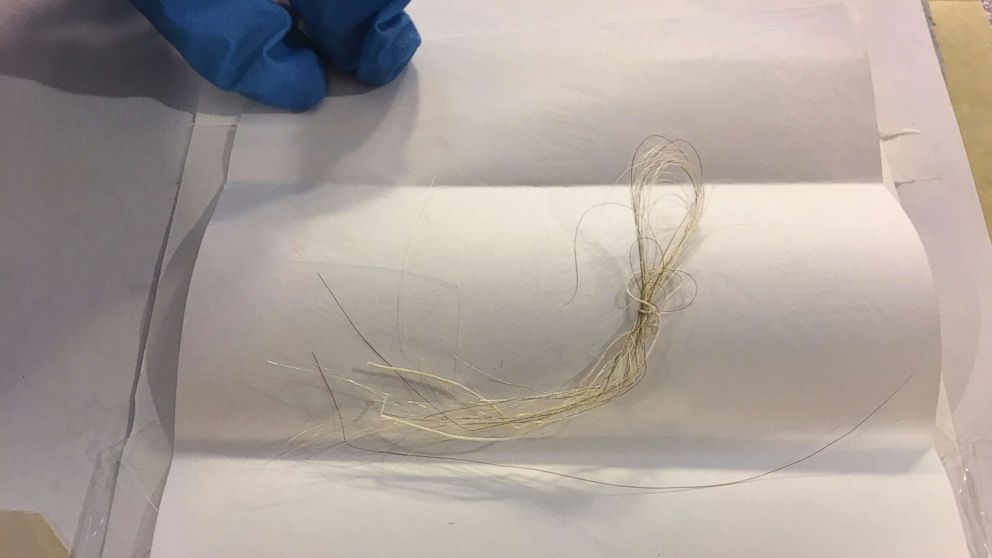
George Washingtons Hair Found in 18th-Century Almanac

Table Of Content Subscribe to History Facts George Washington’s Hair Harriet Tubman Brought to Life George Washington’s Oh-So-Mysterious Hai...